

India's clean energy sector is entering a crucial growth phase. In recent years, India has earned its position as a key market for renewables through sustained policy momentum, aggressive bidding activity, and expansion of private sector participation. Having built over 280 GW of non-fossil fuel capacity so far, India remains on path to fulfill the target of 500 GW by 2030 and Net Zero by 2070. For India to achieve these targets, the country will need to do far more than rapidly adding renewables to its system, it needs an integrated energy infrastructure that can provide electricity to its users reliably, affordably, and with lower emissions.
India's Expanding Power Demands Demand a More Resilient Grid
Driving change India's economy and technology are changing the country's power needs New industries, digital services, electric transport, cities and AI-powered data centres demand ever more power and a new set of demand patterns. To meet these, India will need a responsive power system.
Central Electricity Authority anticipates that India's peak power requirement will exceed 450 GW in 2032. To meet this demand in a low-carbon way, better integration of generation and demand will be vital, and the grid will need to be more flexible as it manages the shifts in electricity flows. Renewable energy, and the infrastructure that supports it, will need to grow together.
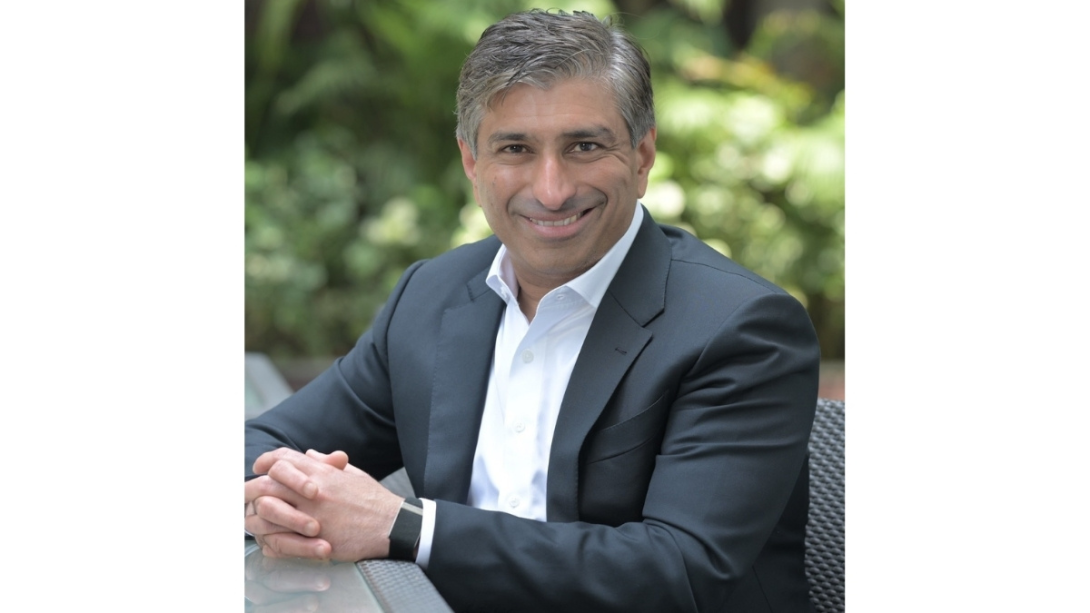
India has already shown it can scale up renewable energy. But now it needs to build out the infrastructure to support it, suggests Puri: "Generation, storage, transmission and digital grid management must develop in tandem if clean energy is to fuel the country's increased demand for power – whether in households or industry or in the wider economy. System integration will be the key to India's longer term energy goals." Ratul Puri, Chairman of Hindustan Power.
Energy Storage Will Help Deal With Fluctuating Renewable Power
As solar and wind energy become a larger part of India's electricity mix, managing the supplydemand balance over time, that is longer than an hour, will become ever more critical. The variability of the supply from wind and solar power sources, driven by weather, requires the system to be more flexible.
Battery Energy Storage Systems (BESS) contribute to the scheme as a means of storing available renewable electricity for use at times of higher demand. In addition to helping level out electricity supply and demand, they can contribute to frequency control, reserve and balancing, which will help to enhance the reliability of renewable energy. As battery technology continues to improve and costs around the world are declining, storage is starting to become a key aspect of the electricity system, not just an add-on to renewables.
Increasing Transmission Capacity Will Link Clean Energy Resources
The transmission network will be key to India's renewable energy target To realise our renewable energy goals, there are a few key areas of focus: Many potential renewable energy zones are located at a great distance from centres of high demand, urban areas and industrial hubs. A reliable transmission network is essential to connect them with high demand centres.
Building Green Energy Corridors, enhancing and interconnecting state power transmission networks, and modernising the national grid are necessary to smooth out bottlenecks in the system and distribute power more efficiently. In conjunction with these investments, flexible conventional generation will remain critical to managing periods of surplus or short supply of electricity.
"The future of power sector will not be determined by any one technology. Renewable energy, storage, transmission, flexible generation and digital technology have an important role to play. Their combined capabilities will ultimately decide how well India manages the delivery of clean, affordable and reliable power," says Ratul Puri.
Industrial Decarbonisation Requires a Range of Clean Energy Sources
Decarbonising India's energy system also requires cutting emissions from challenging industrial processes. Steel, cement, fertiliser manufacturing and refining currently account for large emissions in industry and will require a portfolio of cleaner technology and efficiency upgrades.
Green hydrogen is one of the options that could help – as a lower carbon fuel and feedstock in those parts of the economy where direct electrification of the industry isn't always feasible. Increasing the efficiency of our factories and commercial buildings and of our transport, through higher energy efficiency measures, will also reduce the amount of energy used and lessen the demand on our electricity system.
Clean Energy Development Can Create Long-Term Economic Value
Transition to a low-carbon energy system in India can bring jobs and other benefits India's transition to a low-carbon energy system can bring not just climate benefits but also new economic opportunities. Investment in renewable energy, battery manufacturing, transmission, green hydrogen and local clean tech supply chains can help reduce India's reliance on imported fossil fuels, while creating jobs in engineering, manufacturing and technology.
Customer demands are shifting with the market. Companies now want secure renewable energy sources, rather than having to purchase individual sources. For project developers and investors, this presents opportunities to leverage complementary technologies, plan infrastructure more coherently and design integrated energy solutions that address long-term needs.
"India's energy transition is ultimately an economic transition. Those that will win are the nations and businesses that are capable of providing large quantities of reliable, low-carbon and cost competitive energy. Integrated energy systems will be a key driver of industrial competitiveness, energy security and unlock the economic potential of India over the next decade," says Ratul Puri.
Coordinated Energy Infrastructure Will Shape India's Net Zero Journey
India has achieved remarkable growth in renewable electricity generation. Its current focus should be on integrating renewables, storage, networks, flexible generation and new low-carbon technologies into a system.
Getting these ingredients right will ensure India can provide affordable and reliable clean electricity to its citizens whilst making progress on climate commitments. An integrated energy approach can also help bolster energy security in India, enhance the country's industrial competitiveness, and stimulate the factors needed for sustainable economic development. Such efforts will be key to India's long-term net-zero strategy.
About Ratul Puri:-
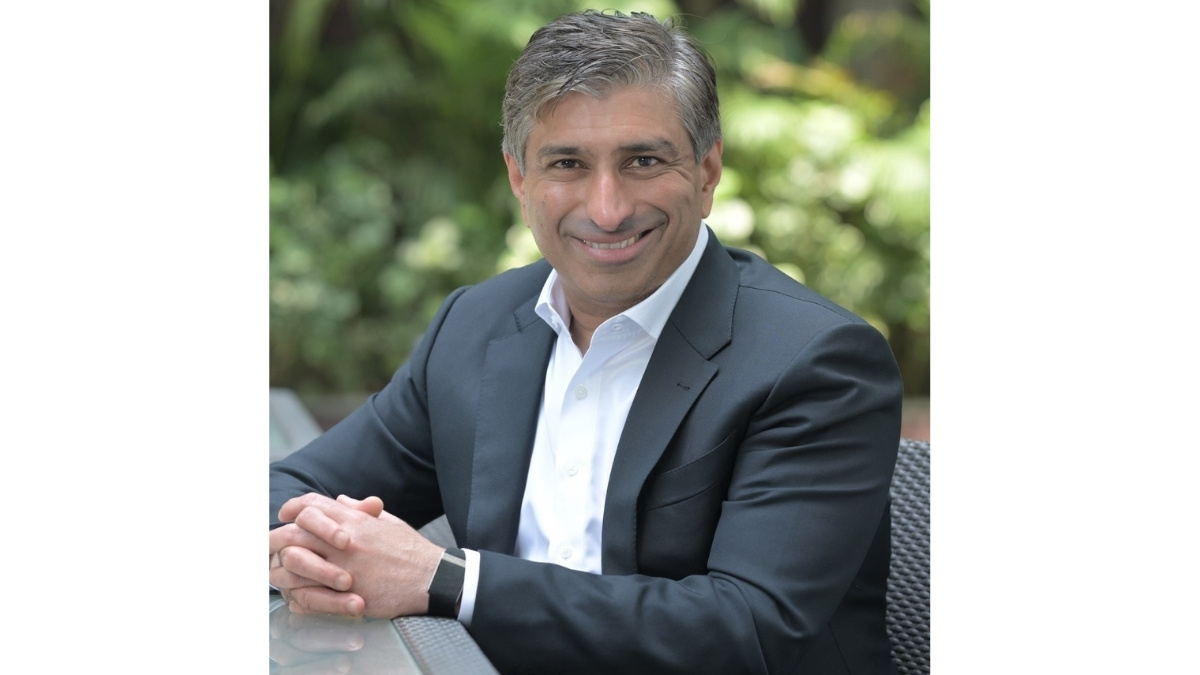
Ratul Puri is the Chairman of Hindustan Power, an integrated power generation company with a strong presence in renewable and transitional energy generation. Over the years, Ratul Puri has been involved in the development of large-scale energy infrastructure projects that support India’s growing power requirements and its transition toward cleaner energy sources.