
Choosing the right dock is an important decision for any waterfront property. Whether you need convenient access for swimming, boating, fishing, or launching watercraft, the dock should be durable, stable, easy to maintain, and suited to the conditions of your shoreline. Floating Aluminum Docks have become a popular option because they combine a lightweight structure with durability and flexible design.
Before making a purchase, however, it is important to understand the materials, size, decking, anchoring, installation requirements, and long-term costs involved.
Why Choose Floating Aluminum Docks?
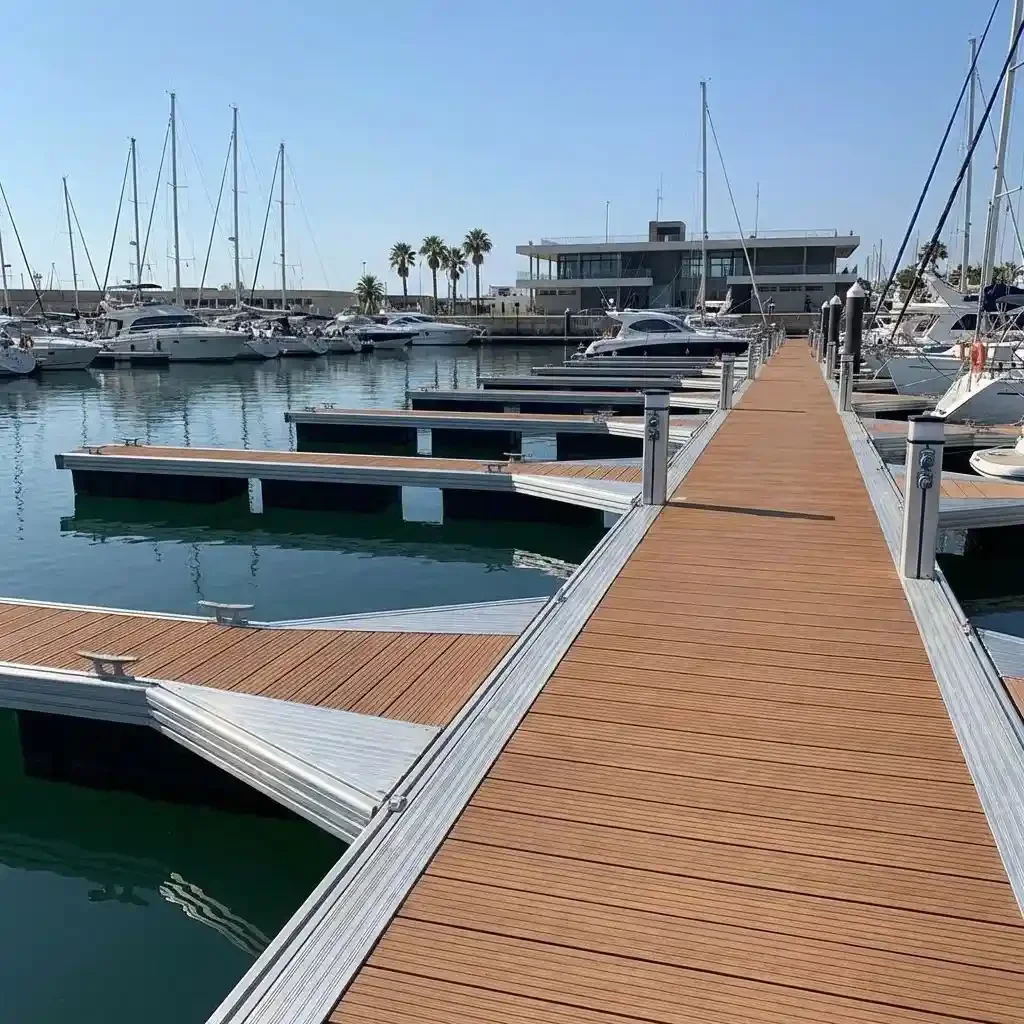
Aluminum is widely used in waterfront construction because it offers a useful balance of strength, weight, and corrosion resistance. Unlike traditional wood, aluminum does not require regular staining or sealing to protect the frame.
Floating designs also have an important advantage: they rise and fall with changing water levels. This can make them practical for lakes, rivers, and other waterfront areas where water levels fluctuate throughout the year.
For buyers, the key is not simply choosing aluminum, but selecting a system designed for the specific conditions and intended use of the property.
Consider Aluminum Quality and Construction
The quality of the aluminum and the way the dock is engineered can affect its performance and service life. Marine applications require materials and finishes that can withstand regular exposure to moisture and changing weather conditions.
When comparing Floating Aluminum Docks, ask about the aluminum grade, frame construction, connection hardware, flotation components, and protective finishes. A well-engineered modular system should provide adequate structural support while remaining manageable during installation or future modifications.
It is also useful to examine how individual sections connect. Strong, secure connections can make a difference in stability and allow the dock to be expanded or reconfigured when your waterfront needs change.
Choose the Right Size and Configuration
Dock size should be based on how you plan to use the structure rather than simply choosing the largest available option.
A compact dock may be sufficient for swimming, fishing, or accessing a small boat. Larger installations may be appropriate for multiple watercraft, entertaining, or creating separate areas for different activities.
Configuration is another consideration. Straight docks are generally simple and space-efficient, while L-shaped, T-shaped, and other layouts can provide additional usable space. Before buying, consider shoreline dimensions, water depth, boat access, and the amount of space available on your property.
Compare Decking Options
The aluminum frame is only one part of the dock. Decking can influence appearance, comfort, maintenance, and overall cost.
Options may include aluminum decking, composite materials, and other purpose-built surfaces. Composite or WPC decking can provide a wood-like appearance while reducing some of the maintenance associated with traditional lumber.
When comparing materials, consider slip resistance, drainage, heat retention, durability, cleaning requirements, and how the surface will feel underfoot during warm weather.
Understand Flotation and Anchoring
A floating dock depends on two critical components: adequate flotation and an appropriate anchoring system.
Flotation should be selected according to the total weight of the dock, decking, accessories, and expected users. Overlooking these factors can affect stability and performance.
Anchoring requirements vary according to water depth, bottom conditions, currents, wind exposure, and seasonal water-level changes. Shoreline conditions should therefore be evaluated before selecting an anchoring method.
A qualified dock professional can help determine which configuration is appropriate for the specific waterfront environment.
Think About Installation and Delivery
Installation is an important part of the overall buying decision. Modular aluminum systems can often simplify transportation and assembly compared with heavier, permanently constructed dock systems.
Some systems are designed for owner assembly, while larger or more complex installations may require professional assistance. Ask whether the dock arrives as individual sections or partially assembled components, what equipment is needed, and whether additional installation services are available.
Delivery costs should also be included in your project budget, particularly for waterfront properties that are difficult to access.
Consider Maintenance and Long-Term Value
One of the main attractions of Floating Aluminum Docks is their relatively low maintenance requirements. Aluminum frames do not need the same routine staining, painting, or sealing associated with many wood structures.
However, low maintenance does not mean maintenance-free. Regularly inspect connections, flotation components, decking, anchoring equipment, and accessories. Cleaning the dock periodically can also help maintain its appearance and identify potential issues early.
When comparing prices, look beyond the initial purchase cost. Consider expected maintenance, replacement requirements, installation, delivery, accessories, and the anticipated service life of the system.
Check Warranty and Manufacturer Support
A warranty can provide useful information about a manufacturer's confidence in its product. Before purchasing, review exactly what the warranty covers, including the frame, decking, flotation, hardware, and other components.
It is also worth considering the manufacturer's customer support and availability of replacement parts. A modular dock may require repairs or modifications years after the original installation, so ongoing product support can be valuable.
For buyers researching available systems, Express Docks is one company to consider when comparing aluminum dock solutions, configurations, and waterfront applications.
Make an Informed Waterfront Investment
Buying a dock involves more than comparing the initial price. The right system should match your waterfront conditions, intended use, maintenance expectations, and future needs. By carefully evaluating construction quality, flotation, anchoring, decking, installation, warranty coverage, and long-term ownership costs, you can make a more informed decision.
Floating Aluminum Docks offer a practical combination of durability, flexibility, and low-maintenance performance, making them worth considering for a wide range of waterfront applications. Before purchasing, compare specifications carefully and discuss your site requirements with an experienced dock provider such as Express Docks.
Frequently Asked Questions
Are Floating Aluminum Docks durable?
Yes. Aluminum is valued for its strength, corrosion resistance, and relatively low maintenance requirements. Actual durability depends on material quality, engineering, installation, and environmental conditions.
Can an aluminum floating dock handle changing water levels?
Floating docks are designed to move with the water, making them suitable for many locations where water levels fluctuate. The anchoring system should be selected according to the specific site conditions.
Are aluminum docks difficult to maintain?
Generally, aluminum docks require less routine maintenance than traditional wood docks. Periodic cleaning and inspection of the frame, hardware, flotation, decking, and anchoring system are still recommended.
Can a floating aluminum dock be customized?
Many modular systems can be configured with different lengths, widths, layouts, decking materials, accessories, and anchoring options. Available configurations vary by manufacturer.
What should I consider before buying?
Start with your intended use, waterfront conditions, required dock size, water-level changes, boat requirements, decking preference, installation method, budget, and warranty coverage. Comparing these factors can help you select a system that fits both your property and long-term needs.