

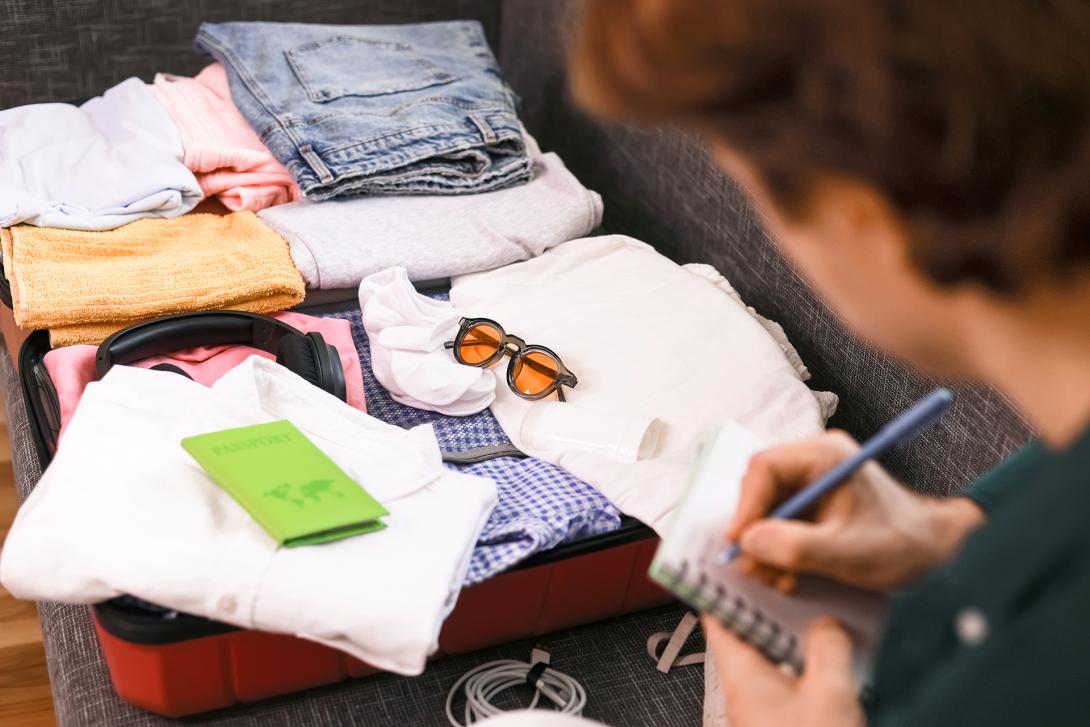
Why We Pack Too Many Clothes for Every Trip (The Psychology Behind Overpacking Clothes)
Overpacking often stems from anxiety about the unknown and a desire for preparedness. We fear forgetting essentials or facing unexpected situations, leading to excessive choices. Social influences and the need to project a certain image can also play a role. Ultimately, overpacking reflects our struggle to control our experiences and the comfort we seek in familiarity, even if it weighs us down. Packing for a trip should be simple. You choose your destination, check the weather, select a few outfits, and put everything into your suitcase. Yet, for many travelers, packing becomes a surprisingly emotional experience.
We start with the essentials, then add another pair of jeans, a few extra shirts, a jacket we might not need, and an outfit for an imaginary occasion. Before we know it, our suitcase is full of clothes we probably won't wear.
Why do we do this? Why is it so difficult to pack light, even when we know that carrying less would make traveling easier?
The answer goes beyond poor planning. Overpacking clothes is deeply connected to psychology, emotions, decision-making, and our relationship with uncertainty.
Understanding these factors can help us become more intentional travelers without sacrificing comfort, personal style, or peace of mind.
1. The Fear of Being Unprepared
One of the biggest psychological reasons behind overpacking is the fear of being caught unprepared.
What if the weather suddenly changes? What if we get invited somewhere unexpected? What if our favorite outfit gets dirty? What if we need something more formal than we anticipated?
These questions encourage us to pack for possibilities rather than probabilities.
Our brains naturally pay attention to potential problems, especially when we feel uncertain. Having an extra outfit can seem like a small investment in avoiding a future inconvenience.
The problem is that every possible scenario adds another item to the suitcase.
Instead of packing for the trip we actually planned, we pack for several imaginary versions of it.
How to overcome it
Before adding an item, ask yourself:
- Is this suitable for something I know I'll be doing?
- Can another item in my suitcase serve the same purpose?
- Could I reasonably buy, borrow, or wash something if I unexpectedly needed it?
The goal isn't to eliminate every possible risk. It's to recognize that being prepared doesn't require being prepared for everything.
2. Clothes Provide Emotional Security
Clothing is more than a practical necessity. It can also provide comfort, familiarity, and a sense of control.
When we travel, we leave behind familiar surroundings, routines, and sometimes the people who make us feel secure. Packing familiar clothes can help recreate a sense of home in an unfamiliar environment.
That favorite sweatshirt, comfortable pair of jeans, or reliable outfit might represent more than its practical function. It can make us feel confident, relaxed, and emotionally grounded.
This is one reason we sometimes pack more than we need: we're bringing along small pieces of familiarity.
How to overcome it
Rather than packing several comfort items, choose a few versatile favorites that make you feel good.
A comfortable outfit that works for travel, sightseeing, and relaxing at your accommodation can provide reassurance without taking up unnecessary space.
3. The Fantasy Self: Packing for Who We Want to Be
Have you ever packed an outfit for a vacation activity that never actually happened?
Perhaps you brought running clothes for morning workouts, elegant outfits for spontaneous dinners, or a stylish jacket for exploring the city.
This behavior often reflects the idea of the fantasy self: the version of ourselves we imagine becoming in a different environment.
A vacation can represent an opportunity for reinvention.
We imagine ourselves waking up early, exercising regularly, dressing beautifully, exploring every attraction, and living a more adventurous lifestyle.
Our suitcase becomes a collection of clothes for that idealized version of ourselves.
Unfortunately, the reality of traveling often looks different. We sleep in, walk more than expected, repeat comfortable outfits, and spend more time relaxing than anticipated.
How to overcome it
Pack for your actual habits rather than your vacation aspirations.
If you rarely wear formal clothes at home, you probably won't suddenly need five formal outfits during a weekend getaway.
Choose clothing that supports the activities you genuinely enjoy instead of the lifestyle you imagine you might adopt.
4. Decision Fatigue and the Desire for More Options
Many people believe that packing more clothes gives them greater freedom.
More shirts mean more outfit combinations. More shoes mean more styling possibilities. More accessories mean more opportunities to express personal style.
But having more choices doesn't always make us happier.
Psychologists have explored how an abundance of options can make decisions more difficult. When faced with too many possibilities, we may experience decision fatigue, uncertainty, or dissatisfaction with the choices we make.
This can happen during a trip, too.
A suitcase filled with clothing may leave us spending more time deciding what to wear rather than enjoying our destination.
How to overcome it
Create a small travel wardrobe built around complementary colors and versatile pieces.
For example:
- Two pairs of bottoms that work with most tops
- Three or four tops that can be mixed and matched
- One versatile jacket
- Comfortable shoes suitable for planned activities
- A few accessories to change the appearance of an outfit
A smaller wardrobe can actually create more useful combinations because every item works with several others.
5. The Pressure to Look Good in Photos
Modern travel often involves documenting experiences through photographs and social media.
We may feel pressure to wear different outfits in every picture, especially when visiting beautiful destinations or traveling with friends.
The idea of repeating an outfit can seem less exciting when we imagine looking back at vacation photographs.
This creates a subtle expectation that every day deserves a new look.
For some travelers, packing becomes less about comfort and more about preparing a wardrobe for a series of photographs.
How to overcome it
Remember that meaningful travel experiences aren't defined by how many different outfits you wear.
A single versatile outfit can look different with a change of accessories, hairstyle, or layering.
More importantly, wearing the same comfortable clothes shouldn't diminish the value of your memories.
6. The Sunk Cost of Packing "Just in Case"
Once we begin packing, it's easy to justify adding more items.
We might think:
"I already have plenty of space."
"This outfit could be useful."
"I don't want to regret leaving this behind."
This is a form of anticipatory regret: we make decisions based on the discomfort we imagine experiencing if we don't have something later.
The possibility of regretting an omission can feel more significant than the inconvenience of carrying an unnecessary item.
As a result, we keep adding clothes until our suitcase becomes unnecessarily heavy.
How to overcome it
Use a simple rule: if you cannot identify a realistic occasion for wearing an item, leave it out.
For uncertain situations, prioritize clothing that can serve multiple purposes.
Instead of packing a separate outfit for every hypothetical event, choose versatile pieces that adapt to different settings.
7. The Influence of Past Travel Experiences
Our previous experiences can shape how we pack.
If we've ever experienced an unexpected cold evening, spilled something on our favorite shirt, or attended an event without the right clothing, we may become more cautious on future trips.
These experiences teach us to associate packing with avoiding discomfort.
Even a minor inconvenience can become a powerful reminder that encourages us to bring extra clothes next time.
However, we sometimes overgeneralize from these experiences.
One unexpected rainy day might convince us to pack several weather-related items for every future trip, regardless of the forecast.
How to overcome it
Learn from past travel experiences without allowing them to dictate every future packing decision.
Ask yourself whether the situation is likely to happen again and whether a practical solution could replace packing additional clothing.
For example, a lightweight rain jacket may be more useful than packing several extra layers for unpredictable weather.
8. Overpacking as a Way to Reduce Anxiety
For some travelers, packing is a way of managing anxiety.
Travel involves uncertainty. We cannot control every detail of our journey, but we can control what goes into our suitcase.
Adding another outfit may temporarily reduce worry by creating the feeling that we've taken action to prevent a problem.
This can become a cycle:
- We imagine a possible inconvenience.
- We feel uncertain or anxious.
- We add another clothing item.
- We experience temporary relief.
- A new concern appears, and we pack something else.
The suitcase gradually becomes a physical representation of our desire for certainty.
How to overcome it
Try separating practical preparation from emotional reassurance.
Make a packing list based on the weather, itinerary, and length of your trip. Once the list is complete, remind yourself that you have prepared adequately.
If you feel the urge to add more, pause and consider whether the item solves a genuine problem or simply makes uncertainty feel more manageable.
How to Stop Overpacking Clothes Without Feeling Restricted
The goal of packing light isn't to force yourself into an uncomfortable minimalist lifestyle clothes. It's to find a balance between preparedness and practicality.
Here are some simple strategies that can help.
1. Plan outfits instead of packing individual items
Rather than throwing several shirts and pants into a suitcase, create complete outfits for your planned activities.
This makes it easier to identify unnecessary clothing and avoid packing items that don't work together.
2. Use the one-week wardrobe principle
For many trips lasting a week or longer, a compact wardrobe with versatile pieces can be sufficient, especially when laundry is available.
The exact number of items depends on the destination, climate, activities, and personal needs.
3. Choose a consistent color palette
Neutral colors such as black, white, gray, beige, and navy make mixing and matching easier.
Add a few statement pieces if you enjoy experimenting with fashion.
4. Apply the "one extra" rule
Instead of packing several backup outfits, choose one additional versatile outfit or layer for unexpected situations.
This gives you flexibility without allowing hypothetical scenarios to take over your suitcase.
5. Review your suitcase before leaving
After packing, remove anything you included solely because you might possibly need it.
Consider whether each item has a clear purpose and whether another item can serve the same function.
6. Track what you actually wear
After returning from a trip, notice which clothes you wore frequently and which remained untouched.
This creates a personalized packing guide based on real experience rather than assumptions.
The Real Meaning of Packing Light
Packing light isn't simply about having fewer clothes.
It's about understanding why we feel the need to bring so much in the first place.
Sometimes, we're trying to avoid discomfort. Sometimes, we're packing for an idealized version of ourselves. Other times, we're seeking reassurance in a situation where we cannot control everything.
Recognizing these patterns allows us to make more thoughtful decisions.
A lighter suitcase can mean less physical effort, fewer decisions, more freedom to move, and a more relaxed travel experience.
Ultimately, the best travel wardrobe isn't the one that prepares you for every imaginable situation.
It's the one that helps you enjoy the experiences you actually came for.
Frequently Asked Questions (FAQ)
Why do people overpack clothes for vacations?
People often overpack because of anxiety about being unprepared, fear of missing out, emotional attachment to familiar clothing, and the desire to have more outfit choices. Packing extra clothes can provide a temporary sense of security, even when those items are unlikely to be used.
Is overpacking a sign of anxiety?
Overpacking can sometimes be connected to anxiety, particularly when people pack extra clothing to reduce worries about unexpected situations. However, overpacking alone does not indicate an anxiety disorder. It can also result from habit, poor planning, or a preference for having more options.
Why do I pack clothes I never wear?
You may be packing for hypothetical situations, your ideal vacation self, or the possibility of needing a particular outfit. Once you arrive, your actual activities and preferences may differ from what you imagined while packing.
How can I stop overpacking for a trip?
Start by planning outfits around your itinerary, choosing versatile clothing, and creating a packing list. Before leaving, remove items that don't have a clear purpose. Tracking what you actually wear during trips can also help you pack more efficiently in the future.
What is the psychology behind packing too many outfits?
Overpacking can involve anticipatory regret, decision fatigue, emotional comfort, and the desire to maintain control. Having more clothes may feel reassuring because it creates the impression that we're prepared for a wider range of situations.
Is packing extra clothes always a bad thing?
No. Extra clothing can be practical for trips involving unpredictable weather, outdoor activities, limited laundry access, or specific dress requirements. The key is distinguishing useful preparation from unnecessary items packed out of habit or fear.
Why do I pack for my ideal self when traveling?
Travel often represents a fresh start or an opportunity to experience a different lifestyle. You may imagine exercising more, dressing differently, or attending activities you don't usually enjoy at home. This can lead you to pack clothes for aspirations rather than realistic plans.
Does packing light make traveling less stressful?
For many travelers, yes. A lighter suitcase can reduce physical effort, simplify outfit decisions, and make moving between destinations easier. Packing light can also encourage a more flexible approach to travel by reducing the pressure to plan every detail in advance.
How many outfits should I pack for a week-long trip?
The ideal number depends on your activities, climate, and access to laundry. A practical starting point is around five to seven everyday outfits, with versatile layers and comfortable footwear. You can adjust this based on your itinerary and personal needs.
How can I feel confident wearing fewer outfits on vacation?
Choose comfortable, versatile clothing that reflects your personal style. Experiment with layering and accessories to create different looks, and remember that enjoying your trip matters more than wearing a completely different outfit every day.