

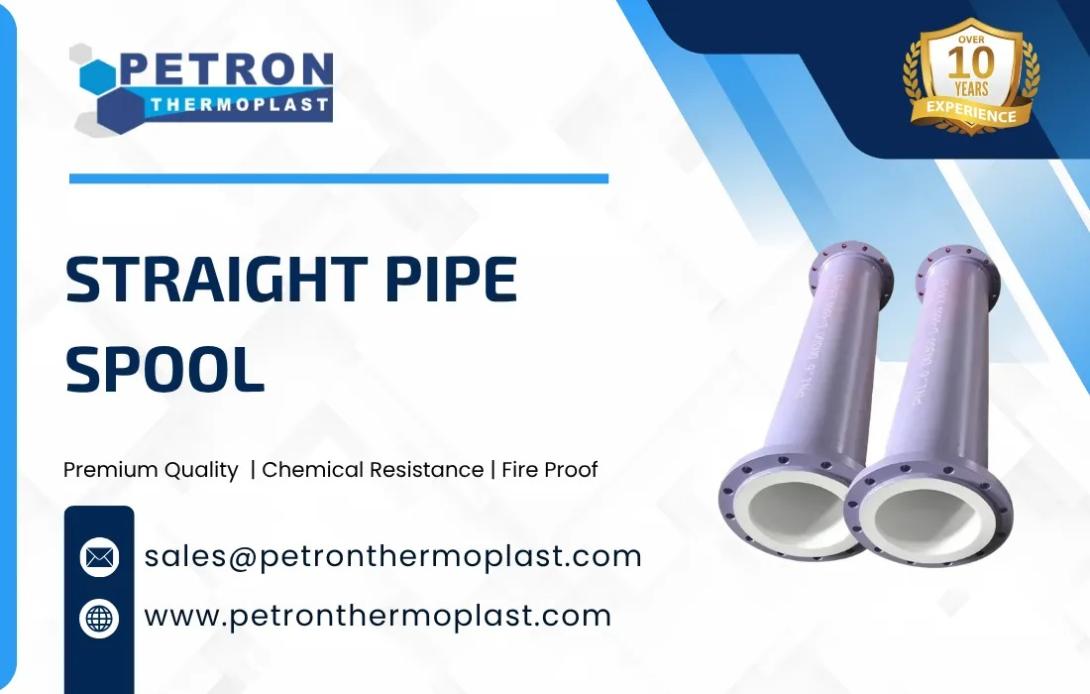
Industrial piping systems require properly designed components to ensure smooth fluid transfer and efficient plant operations. Every pipeline installation has specific requirements related to dimensions, material, connections and operating conditions. Straight pipe spool fabrication based on project drawings helps industries obtain pipe sections manufactured according to their engineering layouts and installation requirements.
A straight pipe spool is a prefabricated pipe section with defined dimensions and end connections. It is designed to connect different parts of an industrial pipeline, equipment or processing system. Depending on the project, it may include pipe lengths, flanges, couplings, connectors and other specified components.
Customized pipe spool fabrication is particularly useful for chemical plants, water treatment facilities, pharmaceutical units and manufacturing industries. By following approved project drawings, manufacturers can prepare pipe sections that match the required pipeline arrangement and reduce unnecessary adjustments during installation.
What Is a Straight Pipe Spool?
A straight pipe spool is a prefabricated section of piping manufactured to a specified length and configuration. It generally has a straight pipe body with connection arrangements at one or both ends.
Unlike a standard pipe supplied in long lengths, a fabricated pipe spool is prepared according to project-specific measurements. It can be designed to connect pumps, storage tanks, filters, reactors, valves and other industrial equipment.
Straight pipe spools are available in different materials, sizes and connection configurations. Plastic pipe spools are considered in applications where corrosion resistance, chemical compatibility and lightweight construction are important.
Importance of Project Drawings in Pipe Spool Fabrication
Project drawings provide essential information for manufacturing and installing industrial pipe spools. They help the fabrication team understand the required dimensions, connection positions and overall piping arrangement.
Fabricating pipe spools according to approved drawings offers several benefits.
1. Accurate Dimensions
Drawings specify the required pipe length, diameter, connection dimensions and other measurements. Following these details helps achieve the required fit during installation.
2. Correct Connection Arrangement
Industrial pipelines may connect with pumps, tanks, valves and processing equipment. Drawings help identify the position and type of each connection.
3. Better Installation Planning
Prefabricated pipe spools can be prepared according to the planned pipeline route. This helps installation teams organize the work and reduce on-site modification.
4. Reduced Fabrication Errors
Clear drawings provide a common reference for design, fabrication and installation teams. This reduces misunderstandings about dimensions and component positions.
5. Project-Specific Customization
Different industrial facilities have different piping layouts. Drawing-based fabrication makes it possible to prepare pipe sections according to individual project requirements.
Types of Straight Pipe Spools
Straight pipe spools can be manufactured in different configurations depending on the project design.
1. Plain-End Straight Pipe Spool
This configuration has plain ends for the specified joining method. It may be used in piping systems where butt fusion, socket fusion, welding or another compatible joining process is required.
2. Flanged Straight Pipe Spool
Flanged pipe spools have flange connections at one or both ends. They are useful where removable connections are needed for equipment, valves or pipeline sections.
3. Socket-End Pipe Spool
Socket-end configurations are designed for compatible socket connections. The dimensions and joining procedure must follow the applicable product and project requirements.
4. Threaded-End Pipe Spool
Some piping applications require threaded connections. These are selected according to the material, pressure conditions and connection design.
5. Customized Straight Pipe Spool
Customized configurations are fabricated according to approved project drawings. They may include specific lengths, end connections, flange arrangements and other required features.
Material Selection for Straight Pipe Spool Fabrication
Material selection is an important part of industrial pipe spool manufacturing. The selected material must be suitable for the fluid being transported and the operating conditions of the system.
Common plastic materials include:
Material
Typical Application Considerations
UPVC
Selected water and compatible chemical handling systems
CPVC
Applications requiring higher temperature capability than comparable UPVC systems
HDPE
Water distribution, industrial transfer and compatible fluid systems
PPH
Selected chemical processing and corrosive fluid applications
PVDF
Applications requiring high chemical resistance and specific temperature performance
Straight Pipe Spool Fabrication Process
A structured fabrication process helps maintain consistency and accuracy throughout the project.
Step 1: Review Project Drawings
The process begins with reviewing the customer's engineering drawings. The fabrication team checks pipe dimensions, spool lengths, connection details and material specifications.
Any unclear measurements or missing information should be confirmed before production begins.
Step 2: Material Selection and Inspection
The required pipe material is identified according to the project specifications. The material should be checked for dimensional suitability, visible defects and relevant documentation.
Step 3: Pipe Cutting and Preparation
The pipe is measured and cut according to the approved dimensions. The ends are prepared according to the selected joining or connection method.
Accurate cutting is important because incorrect lengths can affect the overall spool arrangement.
Step 4: Connection and Component Fabrication
Required flanges, couplings and other components are prepared and assembled according to the drawing. Joining methods depend on the material and approved fabrication procedure.
Step 5: Dimensional Inspection
The completed spool is checked against the project drawing. Important inspection points include overall length, diameter, connection position and alignment.
Step 6: Quality Checks
The fabrication team performs applicable visual, dimensional and other specified inspections. Pressure or leak testing should be carried out only where required by the project and suitable for the material and assembly.
Step 7: Identification and Dispatch Preparation
Finished pipe spools can be identified according to project references and prepared for packing. Proper handling and protection help reduce the risk of damage during transportation.
Industrial Applications of Straight Pipe Spools
Customized straight pipe spools are used in different industries where prefabricated pipeline sections help connect equipment and process lines.
Chemical Processing Plants: Used in compatible chemical transfer and process piping systems.
Water Treatment Plants: Used in selected water distribution, filtration and treatment pipelines.
Pharmaceutical Industries: Considered for suitable utility and process piping applications based on material and hygiene requirements.
Electroplating Industries: Used in compatible liquid transfer and chemical handling systems.
Manufacturing Facilities: Help connect pumps, tanks, filters and other industrial equipment.
Industrial Storage Facilities: Used in suitable tank inlet, outlet and transfer pipeline arrangements.
Cooling Water Systems: Used in compatible industrial cooling and circulation pipelines.
The final application depends on the material, fluid characteristics and operating requirements.
Advantages of Customized Pipe Spool Fabrication
Fabricating pipe spools according to project drawings provides practical benefits for industrial projects.
- Project-specific dimensions: Pipe sections can be manufactured according to approved measurements.
- Improved installation planning: Prefabricated sections help organize pipeline assembly.
- Consistent connection arrangements: Flanges and other connections can follow the engineering layout.
- Material flexibility: Different plastic materials can be considered for suitable applications.
- Bulk project support: Multiple pipe spools can be manufactured according to an approved project schedule.
- Reduced site modification: Accurate prefabrication can minimize the need for unnecessary cutting and adjustment at the installation location.
- Better coordination: Drawing references help connect fabrication activities with project engineering requirements.
Why Choose Petron Thermoplast?
Petron Thermoplast focuses on industrial plastic piping products, fabricated components, valves, fittings and customized solutions.
For straight pipe spool requirements, project-specific dimensions and connection details are important. Customers can share their engineering drawings to discuss the required material, pipe size, spool length and fabrication configuration.
Petron Thermoplast supports industrial and bulk project enquiries for customized plastic piping requirements. The team can review the shared specifications and discuss suitable fabrication options based on the application. Whether the requirement involves a single customized spool or multiple sections for an industrial installation, providing accurate drawings helps make the fabrication process more organized.
What to Share When Requesting a Pipe Spool Quotation?
To help evaluate your requirement, provide the following information:
- Approved project drawing or spool drawing.
- Required pipe material and grade.
- Pipe diameter and wall thickness.
- Overall spool length.
- Flange and connection specifications.
- Operating pressure and temperature.
- Fluid or chemical details.
- Required quantity and delivery location.
Conclusion
Straight pipe spool fabrication based on project drawings is an important part of customized industrial piping installations. It helps manufacturers prepare prefabricated pipe sections according to specified dimensions, connection arrangements and material requirements.
From UPVC and CPVC to HDPE, PPH and PVDF, different plastic materials can be considered for suitable industrial applications. The correct selection depends on fluid compatibility, operating pressure, temperature and project specifications. Petron Thermoplast supports customized industrial plastic piping enquiries and bulk project requirements. Share your approved project drawings and technical details to discuss suitable straight pipe spool fabrication solutions for your installation.