
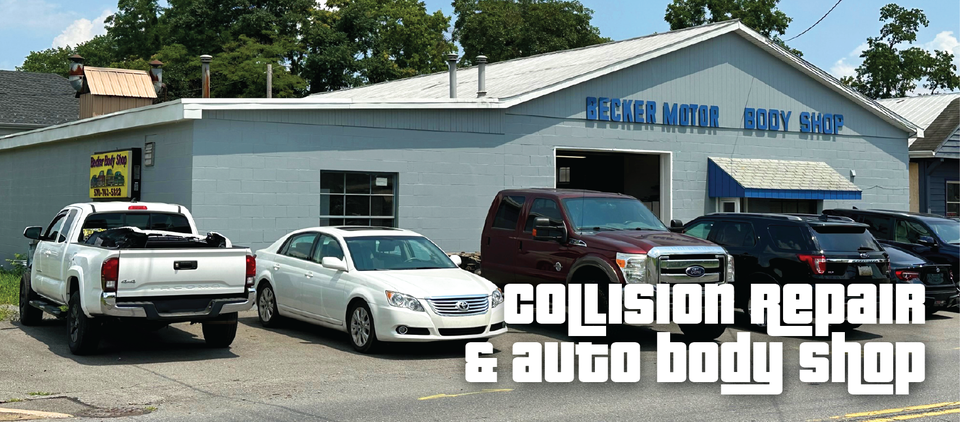
A vehicle accident can be stressful, especially when your car has visible damage or possible underlying structural problems. From dents and scratches to damaged bumpers and misaligned body panels, even a minor collision may require professional attention. Finding a reliable auto body shop in Hummels Wharf can help you understand the repair process and determine the right steps to restore your vehicle.
Choosing an experienced repair facility is important because collision damage is not always limited to what you can see. Professional technicians can inspect affected areas, identify repair requirements and recommend suitable solutions. For drivers in Hummels Wharf and surrounding Central Pennsylvania communities, Becker Body Shop provides auto body and collision repair services.
Why Is Professional Auto Body Repair Important After an Accident?
After an accident, a vehicle may have damage to its exterior panels, paint, bumpers, frame or other components. Some problems are immediately noticeable, while others may only become visible during a detailed inspection.
Professional auto body repair helps address these concerns through appropriate repair procedures.
A repair facility may provide services such as:
- Collision damage inspection.
- Dent and scratch repair.
- Bumper and body panel repair.
- Panel replacement.
- Frame and structural repair.
- Automotive paint refinishing.
- Glass-related repair services.
The required work depends on the severity of the accident, the vehicle's condition and the manufacturer's repair recommendations.
Common Vehicle Damage That Requires Auto Body Repair
Understanding different types of collision damage can help you recognize when professional service is needed.
1. Dents and Scratches
Dents and scratches commonly occur during parking accidents, minor collisions and contact with road obstacles. Small dents may sometimes be repaired without repainting, depending on the damage and paint condition.
Deeper scratches may require sanding, filling, surface preparation and refinishing. A technician can inspect the affected area and recommend the appropriate repair method.
2. Bumper Damage
Bumpers are designed to help manage impact forces, but they can still become cracked, dented, or misaligned after an accident.
Depending on the damage, a bumper may need repair or replacement. A proper inspection is important because damage behind the bumper cover may not be immediately visible.
3. Damaged Body Panels
Doors, fenders, quarter panels and other exterior components can become damaged during a collision.
Some panels may be repairable, while others may require replacement. Technicians consider the material, location and extent of the damage before selecting a repair approach.
4. Frame and Structural Damage
More serious accidents can affect a vehicle's structural components. Structural damage may influence alignment and the vehicle's ability to perform as designed.
Professional inspection and appropriate repair procedures are important when frame or structural damage is suspected.
5. Paint and Finish Damage
Collision impacts can chip, scratch or remove paint from affected panels. Damaged coatings may also expose underlying surfaces to moisture and potential corrosion.
Professional refinishing helps restore the appearance and protective coating of repaired areas.
How to Choose a Reliable Auto Body Shop in Hummels Wharf
Selecting the right repair facility can make the process easier and help you understand what your vehicle needs.
Look for Collision Repair Experience
Choose a shop that regularly handles accident-related damage. Experience with body panels, bumpers, structural concerns and paint refinishing can be valuable when a vehicle requires multiple types of repairs.
Review the Available Services
A repair facility offering several related services may be able to coordinate different stages of the repair process.
Consider whether the shop provides:
- Collision repair.
- Auto body repair.
- Dent removal.
- Frame repair.
- Panel replacement.
- Automotive painting.
Selecting a facility that handles the relevant work can simplify communication about your vehicle's repair needs.
Ask About the Inspection Process
A detailed inspection helps identify visible and hidden damage. Ask the repair shop how it evaluates collision damage and whether additional inspection may be required after removing damaged components.
Request a Clear Estimate
Before repairs begin, understand the recommended work and estimated costs. Ask for an explanation of parts, labor, refinishing and any additional services included in the estimate.
If insurance is involved, confirm the claim and approval requirements with your insurance company.
Consider Communication and Customer Support
A good repair experience includes clear updates about the vehicle's condition, repair progress, additional damage and expected completion time.
Choose a shop that is willing to explain the repair process and answer your questions.
What to Expect During the Auto Body Repair Process
Knowing the general repair stages can help you prepare after an accident.
Step 1: Initial Inspection
The repair process begins with an assessment of the vehicle. Technicians examine visible damage and determine whether additional inspection is needed.
Step 2: Damage Assessment and Estimate
The repair facility identifies the work required and prepares an estimate. If insurance is involved, the estimate may be shared with the insurance company for review.
Step 3: Disassembly and Additional Inspection
Some hidden damage may only become visible after removing damaged exterior components. If additional work is needed, a supplemental estimate may be prepared.
Step 4: Body and Structural Repairs
Technicians repair or replace damaged components according to the vehicle's condition and applicable repair procedures.
Step 5: Paint Preparation and Refinishing
Where necessary, repaired surfaces are prepared for painting. This may include sanding, priming, color matching, paint application and clear coating.
Step 6: Final Inspection
The completed repair work is reviewed before the vehicle is returned. This may include checking panel fit, paint appearance and the components addressed during the repair.
Why Auto Body Paint Quality Matters
Paint refinishing is an important part of restoring a vehicle after collision damage. A properly prepared and painted surface can help the repaired area blend with the surrounding panels.
Professional auto painting may involve several steps:
- Removing damaged paint and preparing the surface.
- Smoothing repaired body panels.
- Applying suitable primer.
- Matching the vehicle's existing color.
- Applying automotive paint.
- Finishing with the appropriate protective coating.
Color matching and application techniques play an important role in achieving a consistent appearance. Becker Body Shop offers auto body and paint services for vehicles requiring professional refinishing.
When Should You Visit an Auto Body Shop After an Accident?
It is a good idea to arrange a professional inspection when you notice:
- Dents or scratches caused by an impact.
- Cracked or loose bumper covers.
- Doors or panels that no longer align properly.
- Paint damage or exposed metal.
- Unusual gaps between body panels.
- Signs of possible frame or structural damage.
- Glass damage caused by the accident.
Even when damage appears minor, an inspection can help determine whether additional repairs are necessary. Avoid driving a vehicle if the damage may affect its safe operation.
Choose Becker Body Shop for Auto Body Repair Near Hummels Wharf
After an accident, finding a repair facility that understands collision damage, bodywork and automotive refinishing is an important step toward restoring your vehicle.
Becker Body Shop provides auto body and collision repair services for drivers in Central Pennsylvania, including the Hummels Wharf area. Its services address different vehicle repair needs, from damaged body panels and dents to collision-related repairs and paint refinishing.
Whether your vehicle needs an inspection after a minor accident or more extensive bodywork, professional guidance can help you understand the available repair options.
Frequently Asked Questions
1. What services does an auto body shop in Hummels Wharf provide?
Auto body repair services may include collision repair, dent removal, bumper repair, panel replacement, frame repair, scratch repair and automotive paint refinishing. Available services vary by repair facility.
2. Should I visit an auto body shop after a minor accident?
Yes. Even a minor accident can cause hidden damage to body panels or components behind the exterior. A professional inspection can help identify the necessary repairs.
3. Can an auto body shop repair dents and scratches?
Yes. Depending on their size, depth, location and paint condition, dents and scratches may be repaired through paintless dent repair, conventional bodywork or refinishing.
4. How long does auto body repair take?
Repair time depends on the extent of the damage, parts availability, repair requirements, insurance procedures and the shop's workload. The repair facility can provide an estimated timeline after inspecting the vehicle.
5. Does collision repair include auto painting?
Collision repair may include painting when damaged panels need refinishing or replacement. The process can involve surface preparation, color matching, paint application and clear coating.
6. Can hidden damage be found after a vehicle accident?
Yes. Some damage is concealed behind bumpers, panels, and other exterior components. Disassembly and a detailed inspection may reveal additional repair requirements.
7. Does Becker Body Shop serve Hummels Wharf, PA?
Becker Body Shop provides auto body and collision repair services in Central Pennsylvania, including service for drivers in the Hummels Wharf area. Visit Becker Body Shop to learn more and contact the shop.
8. What should I ask before choosing an auto body repair shop?
Ask about the shop's collision repair experience, inspection process, repair estimate, paint refinishing services, parts and communication during repairs. If you are filing an insurance claim, confirm any approval requirements with your insurer.